Compare Local Contractors for Expert Tub Conversion Services
Compare local contractors for tub conversion to define scope, verify experience, and establish clear expectations, ensuring a smooth and successful renovation process.
Tub conversion projects typically involve transforming an existing bathtub into a different type of bathing fixture, such as a walk-in shower, or replacing an outdated tub with a modern alternative. This work often includes removing the old tub, preparing the surrounding area, installing new fixtures, and ensuring proper waterproofing and sealing. Depending on the scope, contractors may also address related plumbing adjustments, wall repairs, and surface finishing to create a cohesive, functional space that meets the property owner’s needs.
Defining the scope of a tub conversion is an essential step in ensuring the project meets expectations. Clear communication about what is included-such as demolition, installation, plumbing, and finishing-helps prevent misunderstandings and scope creep. Property owners should consider detailing specific preferences or requirements early in the process and requesting written estimates or proposals. This documentation can serve as a reference point for both parties, making it easier to manage changes and verify that the work aligns with initial plans.
When comparing local contractors for a tub conversion, it’s important to assess their experience with similar projects and verify their familiarity with the work involved. Property owners can review credentials such as references, portfolios, or past project descriptions to gauge expertise. Additionally, obtaining multiple proposals allows for a comparison of scope, approach, and communication style. Asking detailed questions about their process and requesting written agreements helps ensure expectations are clearly established, leading to a smoother project execution.
Compare local contractors by outlining your priorities, verifying experience, and setting clear expectations in writing.
- Compare Contractor Experience - Review the backgrounds and project history of local contractors to assess their expertise in tub conversions.
- Define Project Scope - Clearly outline the work to be done and expectations to ensure all parties are aligned.
- Verify References and Credentials - Check references and past work to confirm the reliability and quality of service providers.
- Document Agreements in Writing - Have all details, including scope and responsibilities, documented to avoid misunderstandings.
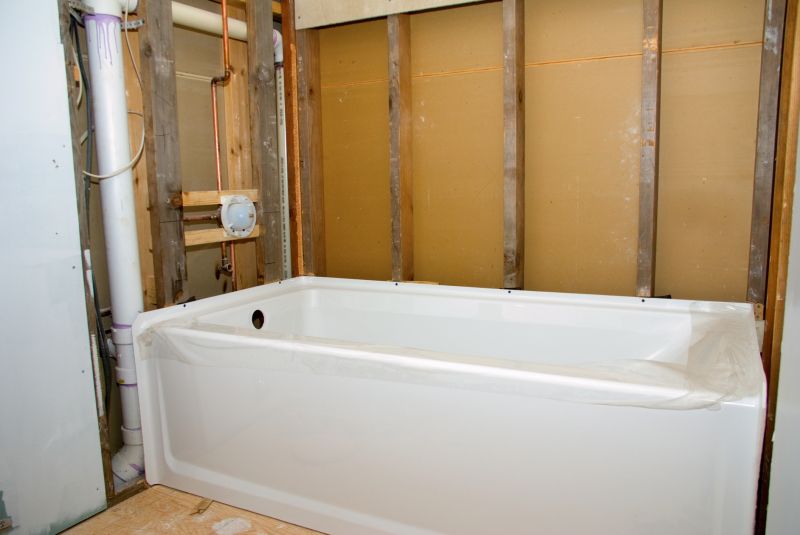
Before comparing contractors for a tub conversion, clearly describe your project scope and verify their experience.
- Verify experience with tub conversions to ensure familiarity with similar projects. - Look for service providers who clearly define the scope of work and deliver a detailed project plan.
- Compare multiple local contractors to assess their expertise and specialization in tub conversions. - Ensure contractors provide written estimates that outline the specific tasks and materials involved.
- Check references or reviews to gauge the quality of previous tub conversion projects handled by the service providers. - Confirm that contractors have a track record of completing conversions that meet customer expectations.
- Discuss the materials and fixtures to be used to ensure they align with the desired design and functionality. - Make sure all project details are documented in writing to avoid misunderstandings.
- Assess the communication style and responsiveness of the contractors to determine their professionalism and clarity. - Establish clear expectations and scope in a written agreement before work begins.
Use Tub Conversion to compare local contractors, clarify project scope, and verify their experience.


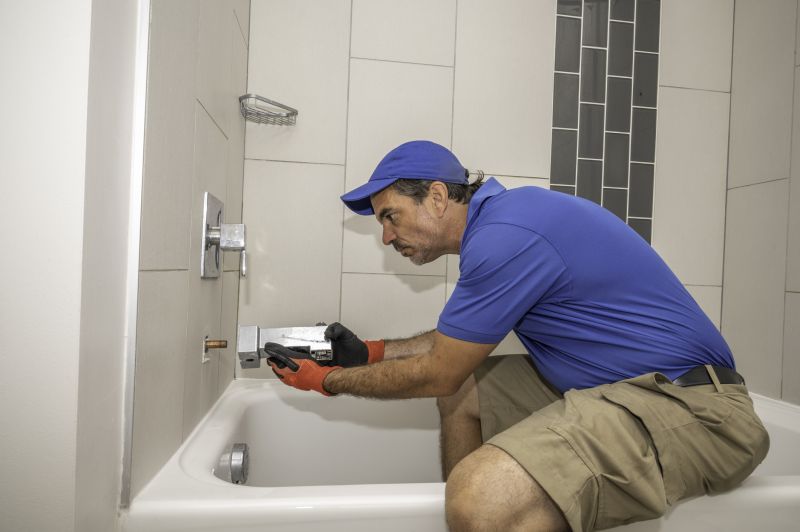
Learn how to compare local contractors for tub conversions by defining scope, verifying experience, and maintaining consistent comparison standards.
- Scope Definition - Clearly outline the specific work involved in converting the bathtub to a shower or alternative setup.
- Material Selection - Identify the types of materials and fixtures required for the tub conversion project.
- Experience Verification - Confirm that local contractors have relevant experience with tub conversions and similar projects.
- Scope Documentation - Ensure all project details, including tasks and materials, are documented in writing before work begins.
- Comparison of Service Providers - Evaluate multiple local contractors based on their scope, experience, and approach to the tub conversion.
When comparing contractors for a tub conversion project, it is important to consider their experience with similar types of work. Homeowners should inquire about how many conversions they have completed and whether they have handled projects comparable in scope and complexity. A contractor’s familiarity with different bathtub and shower configurations, as well as the ability to address potential site-specific challenges, can be a valuable indicator of their capability to deliver quality results. Gathering details about past projects helps ensure that the selected service providers have relevant experience in performing conversions similar to the desired outcome.
A clear, written scope of work is essential when evaluating contractors for a tub conversion. This document should outline the specific tasks involved, materials to be used, and the expected deliverables. Having a detailed scope helps prevent misunderstandings and sets clear expectations for both parties. Homeowners are encouraged to review and compare these written descriptions carefully, ensuring that each contractor’s proposal covers all necessary aspects of the project. Consistency and thoroughness in the scope of work can serve as a foundation for a successful conversion process.
Verification basics are a key part of assessing the suitability of local contractors for a tub conversion. Homeowners should verify that the service providers have appropriate experience, references, or a portfolio of completed projects. It is also helpful to confirm that the contractors are knowledgeable about local building codes and standards relevant to bathroom renovations. While licensing and certification are not always mandatory, understanding a contractor’s background and reputation can provide additional confidence in their ability to perform the job as expected. Proper verification helps identify professionals who are experienced and reliable.
When comparing options for a tub conversion, it is important to evaluate how well each contractor’s proposal aligns with the project’s scope and your expectations. Homeowners should review the details of each proposal, focusing on the clarity of the scope, the experience demonstrated, and the professionalism of the documentation. Asking questions about the approach to the work, the materials involved, and how potential issues are addressed can also help in making an informed decision. By thoroughly examining these aspects, homeowners can select service providers who are well-suited to execute the project effectively, without relying solely on price or timelines.
Ask contractors to provide written scope details to ensure clear understanding and consistent expectations.
- Scope of Work - What specific tasks and materials are included in the tub conversion project?
- Experience and Expertise - How much experience do local contractors have with tub conversions similar to this job?
- Comparison of Services - How do different service providers' offerings and approaches to tub conversion vary?
- Work Quality and Materials - What standards do local contractors follow to ensure quality and durability in the conversion?
- Written Agreements - Are all project details, scope, and expectations documented clearly in a written contract?
How can I compare contractors for a tub conversion project? To compare local contractors, review their experience, verify references, and ensure they provide clear written estimates outlining the scope of work.
What should I consider when defining the scope of a tub conversion? Clearly outline the desired changes, including materials, fixtures, and finishes, and discuss these details with potential contractors to ensure mutual understanding.
How can I verify a contractor’s experience with tub conversions? Ask for examples of previous projects, request references, and review any available portfolio or testimonials to assess their familiarity with similar jobs.
Why is it important to have the project scope in writing? Having the scope detailed in writing helps prevent misunderstandings, sets clear expectations, and provides a reference for the work to be completed.
What questions should I ask a contractor before hiring for a tub conversion? Inquire about their experience, request details on the process, clarify the scope of work, and ask how they handle unforeseen issues during the project.
How can I ensure the contractor understands my renovation goals? Communicate your vision clearly, provide detailed descriptions of what you want, and confirm that the contractor’s proposal aligns with your expectations before signing an agreement.
Homeowners now have the information needed to compare local contractors for tub conversion projects, including how to define the scope of work, verify experience, and set clear expectations in writing. This approach helps ensure a smooth process and a successful outcome by focusing on what to look for when evaluating service providers.
To find the right contractor for a tub conversion, use the quote form to explore local options and gather details about their services. Comparing different contractors can help identify those best suited to meet specific project needs, making it easier to select a trusted service provider for the job.